








How to Build a Balloon Kit Attachment Responsibility Sheet
How to Build a Balloon Kit Attachment Responsibility Sheet
When a buyer asks whether a balloon kit includes everything, the answer depends on what everything is expected to accomplish. The components needed to arrange balloons are not necessarily the same as the equipment or approved fixtures needed at the final venue. A polished display photograph does not resolve that distinction.
An attachment responsibility sheet gives wholesalers, online sellers and event planners a practical way to define the boundary. It records each setup task, the component proposed for that task, who supplies it and who must confirm its suitability. Use it when discussing a GleeParty selection with Yiwu Jingjie Crafts Co., Ltd., alongside the actual product specification and sample.
1. Start with the tasks, not an accessories bundle
Write down the steps needed to create the intended arrangement. These might include inflating selected balloons, organizing them into a decorative shape, joining small elements, positioning the arrangement and preparing the finished area for use. Keep the list descriptive: it should explain the job without assuming that a particular tape or ribbon is the correct solution.
Next, distinguish connections between decorative components from connections to the venue. A component that helps organize balloons may have no confirmed role in attaching the arrangement to a wall, stand or other fixture. Leave the proposed method open when its suitability has not been established. This is a procurement record, not an installation design or a substitute for product instructions.
2. Give every proposed component its own row
Use one row per accessory rather than a single entry called accessory bag. Record the product reference, description, unit of measure and proposed quantity. A roll, a piece and a retail pack are different purchasing units. If the inquiry mentions ribbon length or the number of adhesive points, ask how those quantities are specified for the exact item.
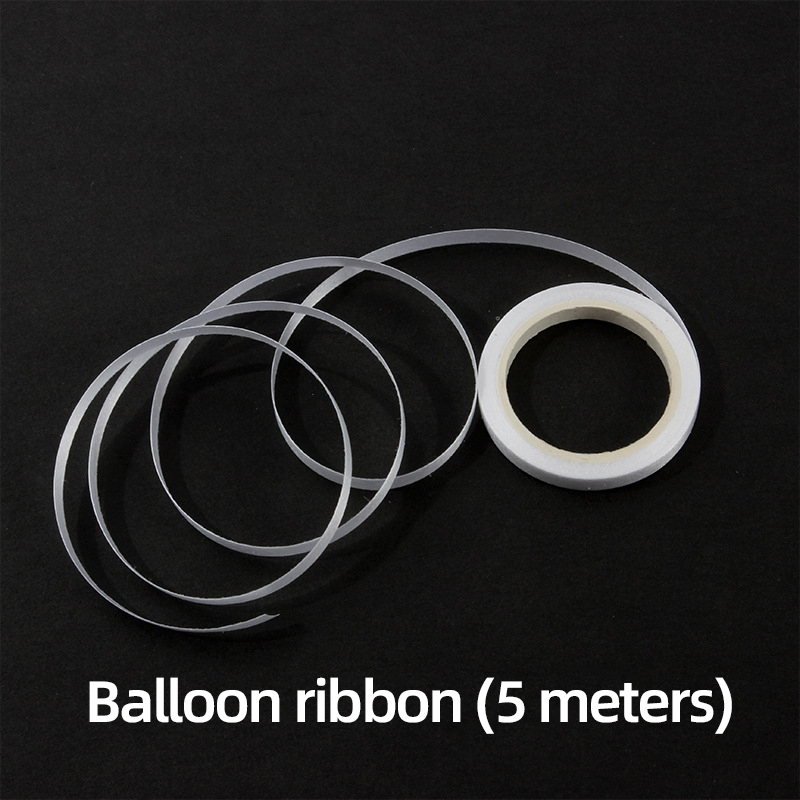
The photograph accompanying this article shows ribbon as an accessory reference. Its presence does not establish that ribbon is suitable for suspending a finished installation. The same principle applies to a photograph of tape or a balloon strip. Confirm intended use, relevant limitations and the supplied instructions before assigning any component to a setup task.
3. Identify the person responsible for each answer
A useful sheet has separate fields for supplied by and approved by. The product supplier can clarify what the selected kit contains and what instructions accompany it. The buyer decides what the retail offer promises. The venue or responsible installation team addresses the permitted location, method and site-specific conditions.
Do not collapse those roles into a general note saying supplier confirmed. Specify the question that was answered. Confirmation that a roll is included does not answer whether it can be used on a particular painted surface. Similarly, permission to decorate a room does not necessarily approve a proposed fixing method. Record the responsible contact or team and the date of the relevant response.
4. Collect venue constraints before completing the offer
Ask the event organizer for the venue's requirements and any restrictions affecting the proposed display. Relevant questions can include which locations may be used, whether existing fixtures are available, who approves attachment methods and who manages removal. A room photograph can provide context, but should not be treated as an approval document.
If these details are unavailable, state that they remain to be confirmed. Avoid promising universal surface compatibility, a particular holding strength or damage-free removal without evidence for the exact product and conditions. Where a product or venue requires a suitability check, follow the applicable guidance and approval process. General sourcing content cannot determine the correct method for an unfamiliar site.
5. Check the sample against the responsibility sheet
Review the actual kit contents and compare every accessory with the agreed list. Note the item reference, quantity, packaging and any instruction leaflet. Where an accessory is intended for a specific decorative task, verify that the supplied explanation identifies that task clearly enough for the intended user. Raise unclear wording as a question before approving the retail copy.
Separate a contents check from a performance assessment. Counting a roll or identifying a strip establishes what arrived; it does not demonstrate an installation's suitability. Any required product evaluation should use an agreed method and relevant guidance. Keep photographs and observations linked to the correct sample so a later change in accessory type is not overlooked.
6. Turn the record into clear customer information
Use three plain categories in the product description: included in the selected pack, supplied separately by the customer, and dependent on venue approval. These categories should reflect confirmed facts. If an attractive styled scene uses additional equipment, explain the exclusions when customers might reasonably expect those items to be included.
Replace vague promises with specific descriptions. For example, a confirmed ribbon quantity can be listed as ribbon included for the stated decorative purpose. It should not become all installation equipment included unless that wider claim has been verified. A customer should understand both the contents of the purchase and the questions that must be resolved before using it in a particular location.
7. Close open questions before final confirmation
Give each unresolved row an owner and a next action. One question may require a clearer component photograph; another may require the buyer to obtain venue guidance. Ask which proposed changes affect the sample, pack contents, price or delivery arrangements, and request confirmation for the specific inquiry. Do not assume that adding accessories has no commercial effect.
When the record is ready, keep the accepted version with the product specification and customer instructions. If a later order uses a different accessory, revisit the affected task and claims. This disciplined handover helps the buyer describe the offer accurately and gives the sourcing team a precise basis for responding.
For a shorter introduction, read the GleeParty update on assembly and venue attachment. Bring the task list, selected kit reference and outstanding venue questions to the next discussion so that decorative ambition and practical responsibility remain aligned.
GleeParty connects party product selection with the sourcing conversation at Yiwu Jingjie Crafts Co., Ltd.. Share your target market, product references and unresolved questions through our wholesale party supplies service. Confirm product details, samples, packaging and delivery arrangements for your specific inquiry before making a purchasing commitment.