






How to Specify Dimensions for Shaped Foil Balloons
How to Specify Dimensions for Shaped Foil Balloons
Size is one of the first details buyers compare when selecting shaped foil balloons. It is also a detail that can become ambiguous when a product name, dimension graphic and styled photograph use different references. A single number may not explain the height, width or measurement state of a flower, crescent or ice-cream-shaped item.
A dimension brief gives purchasing and sales teams a common reference. When discussing a GleeParty selection with Yiwu Jingjie Crafts Co., Ltd., use it to ask precise questions about the exact item. The purpose is to document the product clearly, then carry the confirmed information into samples, packaging and customer-facing descriptions.
1. Identify the exact shape and version
Start with the product reference, design and requested version. Attach the relevant catalog image and distinguish it from any general inspiration photograph. Similar themes can include different outlines, proportions or printed designs, so a category name such as ice cream balloon is not always enough to identify the intended item.
Write down the intended role in the assortment: a separately sold decoration, a component of a party kit or an accent in a planned display. This provides useful context for the supplier without assuming particular performance or installation characteristics. If the buyer is proposing a new size or outline, label it as a development request that still requires feasibility confirmation.
2. Ask what each existing size label means
For every catalog value, identify whether it describes the uninflated item laid flat, an inflated sample or a nominal size used to name the product. Preserve the source wording until the supplier clarifies it. An unlabeled dimension should remain an open question rather than being converted into a more specific claim by the purchasing team.
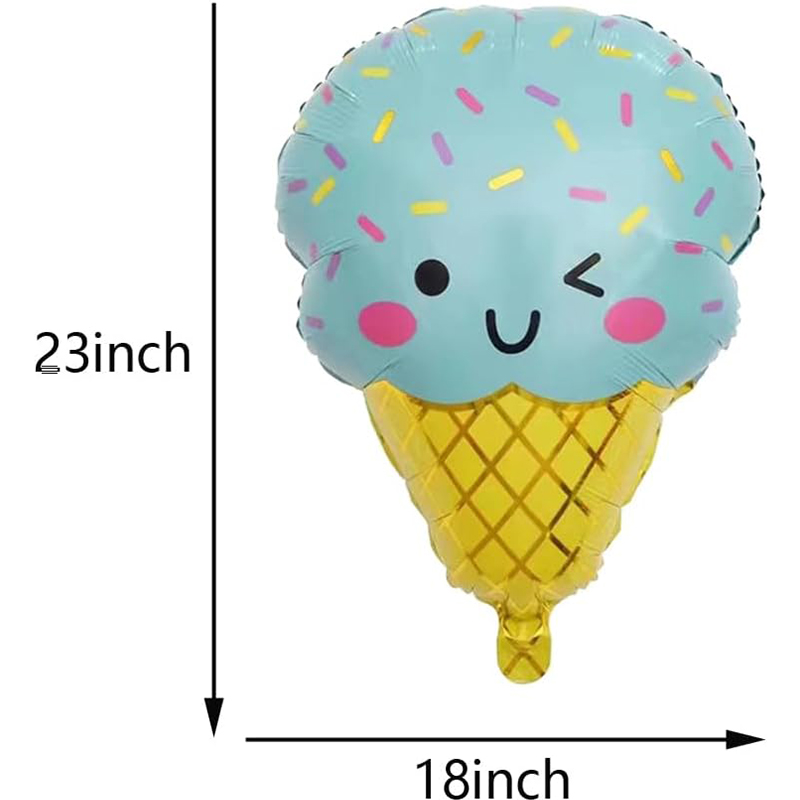
The ice-cream-shaped balloon graphic accompanying this article illustrates how width and height can be presented. It is a selection reference, not confirmation of the measurement state or the dimensions of every similar item. Ask for the current specification associated with the exact reference before reproducing any numbers in a listing or packaging design.
3. Define width, height and orientation
Use a simple front-view outline and indicate the orientation in which measurements are taken. Mark the endpoints for overall width and overall height. For an irregular outline, the widest point may be separate from the tallest feature. A horizontal arrow and a vertical arrow with clear endpoints can communicate more than the phrase large size.
Ask whether measurements include peripheral features such as tabs or another part of the outline when that affects comparison. Record the answer rather than choosing a convention independently. Keep a separate note for the displayed orientation if the finished arrangement will tilt the shape, since a tilted presentation should not silently redefine the original specification.
4. Keep flat and inflated records separate
If both states matter, create separate rows or columns for them. Record the flat width and height with their measurement method, then record any confirmed inflated measurements with the relevant sample conditions and instructions. Do not use a fixed conversion percentage between the two states unless an appropriate basis has been supplied and accepted for the item.
An inflated shape has three-dimensional form, so its displayed outline need not match the flat sheet outline. The practical purchasing response is to request relevant measurements, not to adjust inflation simply to reach a target number. Follow the applicable product instructions and treat unresolved differences as questions for the supplier or the responsible reviewer.
5. Review a sample with a documented method
Agree what the sample review needs to establish before measuring. If the concern is the flat outline, use the appropriate flat-state reference. If the concern is the displayed size, ask for the applicable preparation instructions and confirm the conditions under which the observation should be made. Retain the item reference, date and specification version with the result.
A photograph with a clearly positioned measuring reference can support the record, but camera angle and perspective can make an image harder to interpret. Record the measured values in text as well. Where several samples or versions are compared, use the same agreed method and keep observations separate from any acceptance limits that still need discussion.
6. Keep dimensions separate from functional claims
A height or width value does not by itself establish the suitable inflation medium, floating capability, inflation procedure or attachment method. Ask those questions separately for the selected product. A staged photograph may show an item suspended or supported in a way that is not obvious from the image.
Record confirmed included accessories and relevant product guidance without turning visual appearance into a performance promise. If the buyer needs an item for a specific display arrangement, describe that requirement and request the appropriate information. The dimension brief should make the selection clearer while preserving the distinction between a size record and an assessment of suitability.
7. Transfer confirmed values into the sales presentation
Label the measurement state directly on the specification table or dimension graphic. Use consistent units and retain the stated precision; conversion between inches and centimeters should not create a false impression of greater measurement accuracy. If values are described as approximate, keep that qualification attached to the relevant numbers.
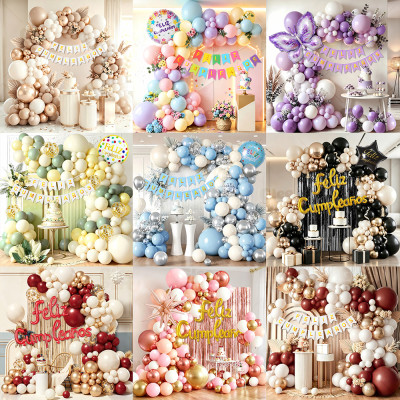
Separate the selected balloon's dimensions from the width or height of an entire styled scene. A photograph that combines several decorations can be useful inspiration, but it does not establish what is included in one pack or how much space that pack will cover. State the contents and the measurement basis using the agreed product information.
A concise handover for the next inquiry
The completed brief should identify the item, measurement state, orientation, endpoints, units, source record and open questions. Keep the accepted version with the sample observations and the final retail copy. Revisit the affected fields whenever the proposed size, shape or product version changes.
Start with the GleeParty shaped foil balloon buyer update, then send the selected reference and your dimensional requirements together. Clear specifications give the company sourcing team a more useful basis for discussing samples, packaging and the next purchasing decision.
Explore the company behind the sourcing conversation at Yiwu Jingjie Crafts Co., Ltd.. GleeParty buyers can share product references, target-market needs and sample questions through our wholesale party supplies service. Confirm the selected specifications, packaging, availability and delivery arrangements for the actual inquiry before placing an order.