




How to Write a Daisy Party Collection Buying Brief
How to Write a Daisy Party Collection Buying Brief
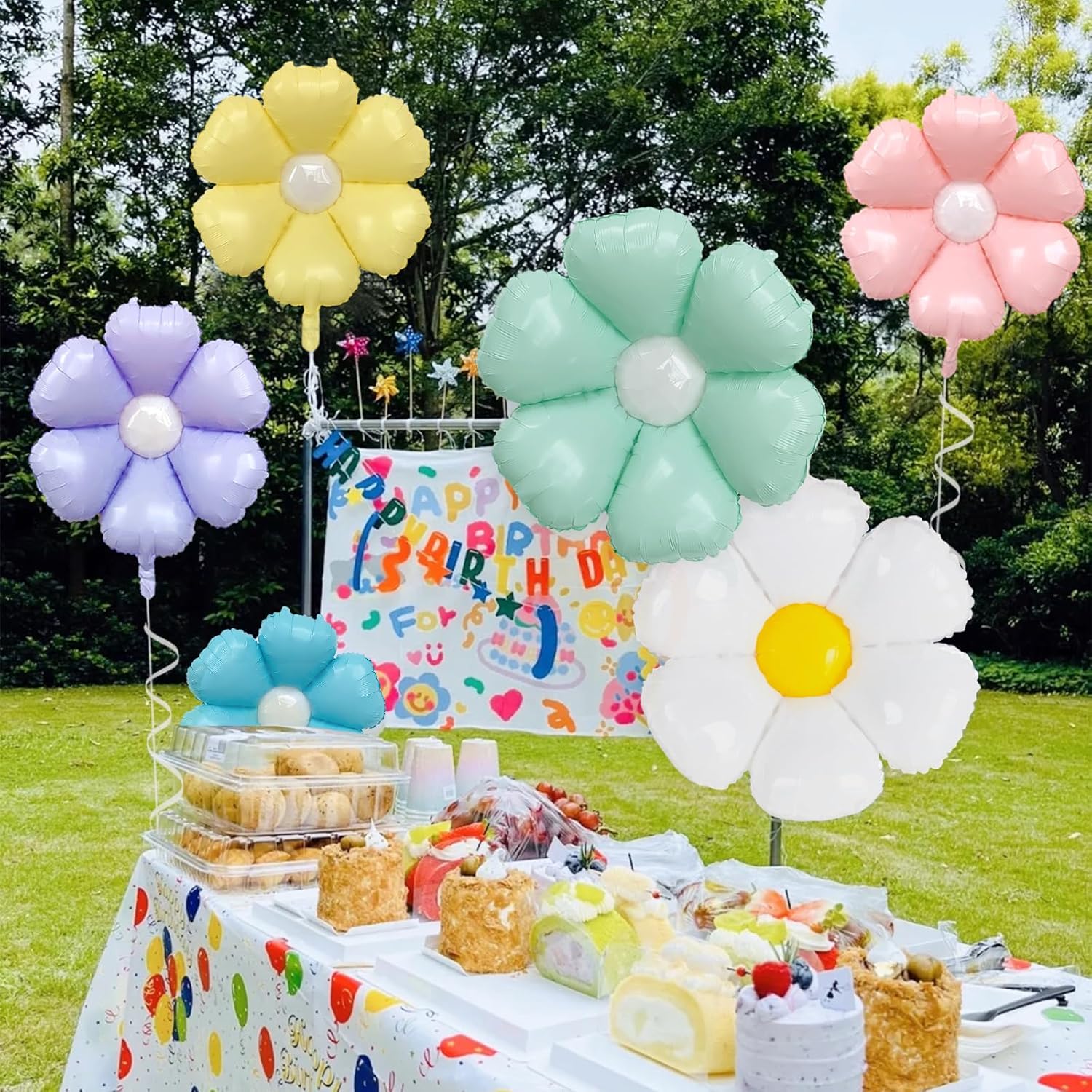
A daisy party display can look simple while containing several different buying decisions. White petals with yellow centers may be the focal point, pastel flowers may provide supporting color, and a banner may make the arrangement specific to a birthday. A buyer who records only daisy party kit leaves important choices open. A written collection brief turns that visual idea into references that a supplier, merchandiser and listing team can discuss consistently.
This guide supports collection planning with GleeParty and Yiwu Jingjie Crafts Co., Ltd. The featured outdoor floral image is a styling reference from the image library. It does not establish a fixed kit, included props, product availability or suitability for outdoor use. Confirm each product and its intended use separately.
1. Choose the floral identity first
Describe what makes the proposed collection recognizable. A white flower with a yellow center gives a different impression from a rounded pastel flower or a brightly colored flower with a face. These designs can sometimes be combined, but they should not be treated as identical products under a single vague flower label. Save an exact reference for every design being considered.
Decide which design is essential and which is optional. If the collection depends on the white daisy shape, mark that as the focal item. If several floral styles are acceptable, explain the range of acceptable designs before requesting alternatives. This helps keep a substitution discussion tied to the intended look instead of reducing it to color alone.
2. Give each color a purpose
Use a short palette with defined roles: a main color, a supporting color and, where needed, an accent. For example, a white-and-yellow floral direction can use another tone as a background rather than giving every color equal visual weight. This is a planning example, not a claim about a standard GleeParty kit or its available contents.
Compare the actual references together. Colors that appear similar in separate product images may look different because of lighting, surface finish or screen settings. Ask which product colors are available and use samples when color coordination is important to the purchase. Do not promise an exact match across different materials merely because the same color word appears in their descriptions.
3. Define the selling occasion
Identify whether the offer is intended for a birthday, another named celebration or a more general floral display. Read every visible word and number on the selected items. A birthday banner or an age numeral changes the meaning of an otherwise neutral flower arrangement. Record those pieces separately so that the final offer does not accidentally imply broader suitability.
A retailer could consider a floral base assortment with occasion-specific additions, while a planner might buy for one confirmed event. The appropriate structure depends on the buying brief and on the products available. It is not a reason to claim that an existing pack can automatically be split, customized or supplied in any requested combination.
4. Turn the display into an item record
Create one line for every physical product you want quoted. Include its reference image, supplier identifier, flower shape, color, required quantity, specification questions and intended role. Keep a separate column for items that appear in the scene but are not being requested. Furniture, stands, table settings, banners and other decorations are not included merely because they share the photograph.
For balloons or other shaped decorations, confirm the relevant dimensions and how those dimensions are measured. Ask about the intended display method and the product information needed for that use. A floating-looking image does not prove that a product will float, and an outdoor photograph does not establish outdoor performance. The actual item information must support any claim you later make.
5. Distinguish the collection from the selling pack
A collection is a set of coordinated choices; a selling pack is a specific quantity of specific items. Keep those two descriptions separate. A collection page can introduce several options, but an individual product listing should state exactly what a customer receives. Avoid a headline that suggests an entire scene is supplied when the offer is only one floral component.
Ask how the selected products are packaged and whether your proposed retail or online presentation requires an additional packaging discussion. Record any requested label, insert or artwork separately. Do not assume a private label, a special assortment or a particular packing format is included without confirmation. The brief should show both the desired outcome and the questions still awaiting an answer.
6. Review samples against the brief
A sample review is most useful when it answers defined questions. Compare the flower silhouette, center design, color appearance and visible finish against the chosen reference. Check the specification details that matter to your planned use. If several products will be sold together, look at them as a group as well as individually, and record any mismatch that needs discussion.
Keep an image reference and a written note for each approved choice. If a later alternative is proposed, compare it with that record before changing the order or listing. A similar name does not mean the same design. This is especially important when a smiling flower, a plain daisy and a rounded pastel flower appear within the same broader sourcing conversation.
7. Prepare a clear inquiry and customer presentation
Send the selected references, desired quantities, sales channel, destination and open questions together. Ask for availability, commercial terms, sample arrangements and delivery information for that defined request. Keep uncertain details visibly unresolved until confirmed. A polished collection brief should make it easier to get a precise response, not conceal the information still needed for a purchasing decision.
When preparing customer-facing content, use one scene image to explain the style and an accurate item description to explain the offer. State any important exclusions near the relevant image. Review the wording whenever the product mix changes. Our daisy party collection update provides a shorter introduction to this approach.
The result is a floral collection that can be discussed with confidence because its appearance, contents and purchasing questions are clearly separated. That clarity helps the GleeParty brand presentation and the company sourcing conversation support each other from the first inquiry onward.
GleeParty brings the collection discussion together with Yiwu Jingjie Crafts Co., Ltd.. Send your selected references, sales channel and purchasing questions through our wholesale party supplies service. Confirm product specifications, samples, packaging, availability and delivery arrangements for your actual inquiry before making a purchasing commitment.