








Paper Cup Capacity: Nominal Size, Brimful Volume and Serving Fill
Quick answer: Compare paper cups only after identifying the unit and fill reference. Nominal size is a stated product description; brimful volume reaches the rim; serving fill is the liquid level planned for use.
By GleeParty Editorial Team · 7 November 2026 · 20261107-AM
For a wholesaler or event supplier, “the same size cup” can hide two different assumptions. One person may mean the printed size description, while another means the quantity they intend to pour. This guide shows how to separate those decisions in a purchasing brief. It complements design selection with a specific check that buyers can document.
What are the three capacity descriptions?
| Description | Purpose | Question to ask |
|---|---|---|
| Nominal size | Identifies the supplier’s stated capacity category. | What measurement basis supports the description? |
| Brimful volume | Describes volume when filled to the rim using the stated method. | Where is the endpoint, and how was the volume measured? |
| Serving fill | Describes the buyer’s intended liquid level during use. | How much space is required for handling, ice or another service choice? |
Do not assume that a nominal size automatically equals either of the other values. Ask the supplier to state the basis. A purchasing record can keep all three fields even when one is still awaiting confirmation. An empty field is more useful than a guessed number that later becomes a packaging claim.
How should units be written?
Write the complete unit rather than leaving an unexplained “oz” in the brief. Fluid ounces describe volume, while ounces can also describe mass; U.S. and Imperial fluid-ounce measures are different. Where millilitres are used alongside another unit, confirm the conversion and rounding with the intended label wording. Do not convert a nominal category into a precise measured capacity merely by adding decimal places.
Keep the units consistent across the quotation, sample worksheet and retail file. If the supplier uses one unit and the buyer uses another, preserve the original stated value and record the agreed equivalent beside it. This keeps the source of a number visible during review.
Can cup dimensions prove capacity?
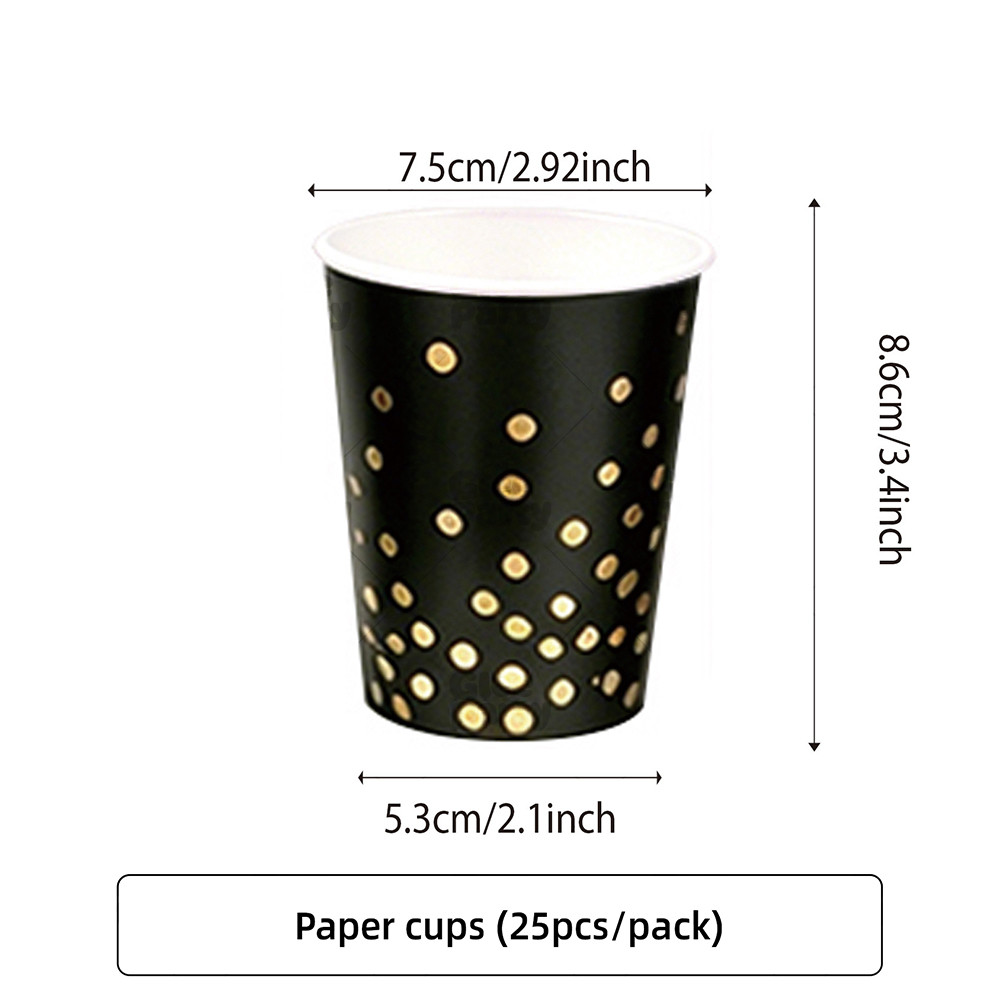
No. A height and two diameter labels help describe the cup’s shape, but they do not replace a capacity measurement. A tapered cup has an internal profile; outside dimensions can include wall thickness and rim features. Even an approximate geometry calculation would need clear internal measurement references. It should not be presented as tested capacity.
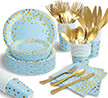
The illustration above is a catalog dimension reference for a particular pictured cup. It is useful for seeing which dimensions are being discussed. Its printed pack quantity and dimensions are not specifications for every GleeParty cup. Use the exact reference in the order record and obtain confirmation for the selected version.
How can buyers keep a sample comparison consistent?
- Label each sample with its product reference and review date.
- Record the supplier’s capacity description and whether its basis is confirmed.
- Use the same measuring equipment, method and fill endpoint when comparing samples.
- Record the buyer’s intended serving quantity separately from any brimful observation.
- Photograph the relevant fill reference and retain the result with the sample notes.
This is a comparison record, not a substitute for a formal test or required product documentation. If results differ, first check the unit, method, sample reference and fill endpoint. Do not average unlike measurements into one approval value. Ask for clarification before revising a specification or making a product claim.
What happens when ice is added?
A cup that contains ice has less space available for liquid than the same cup without it. The practical result depends on the amount and shape of the ice and the intended fill level. An event buyer should review the actual service setup rather than publish a single “with ice” capacity based only on the cup’s nominal label.
For example, a hypothetical event plan might call for 180 mL of liquid per serving. The buyer would check that quantity with the selected sample and intended service arrangement, then record the result. The example is a planning input, not a claim that a pictured cup has any particular capacity.
Which checks belong outside the capacity decision?
Confirm the intended beverage and temperature range, any lid requirement, packaging and product documentation separately. A volume measurement does not establish heat suitability, resistance to leakage, food-contact compliance or lid fit. Ask for evidence applicable to the exact cup rather than importing claims from a similar-looking item.
What should go into the final buying brief?
Include the cup reference, design, quantity, unit system, capacity basis, planned use and retail packaging. Keep the approved wording beside the sample record so an online seller and a warehouse team identify the same item. Resolve unanswered fields before using them in a customer-facing description.
Start with the GleeParty paper plates and cups collection and bring these requirements to GleeParty, associated with Yiwu Jingjie Crafts Co., Ltd.. The company and brand connection gives buyers a clear route from visual selection to specification questions, sample review and packaging communication. Request a specification-based quotation for the exact cup you intend to sell.