









Paper Plate Diameter vs Usable Center: A Buyer Measurement Guide
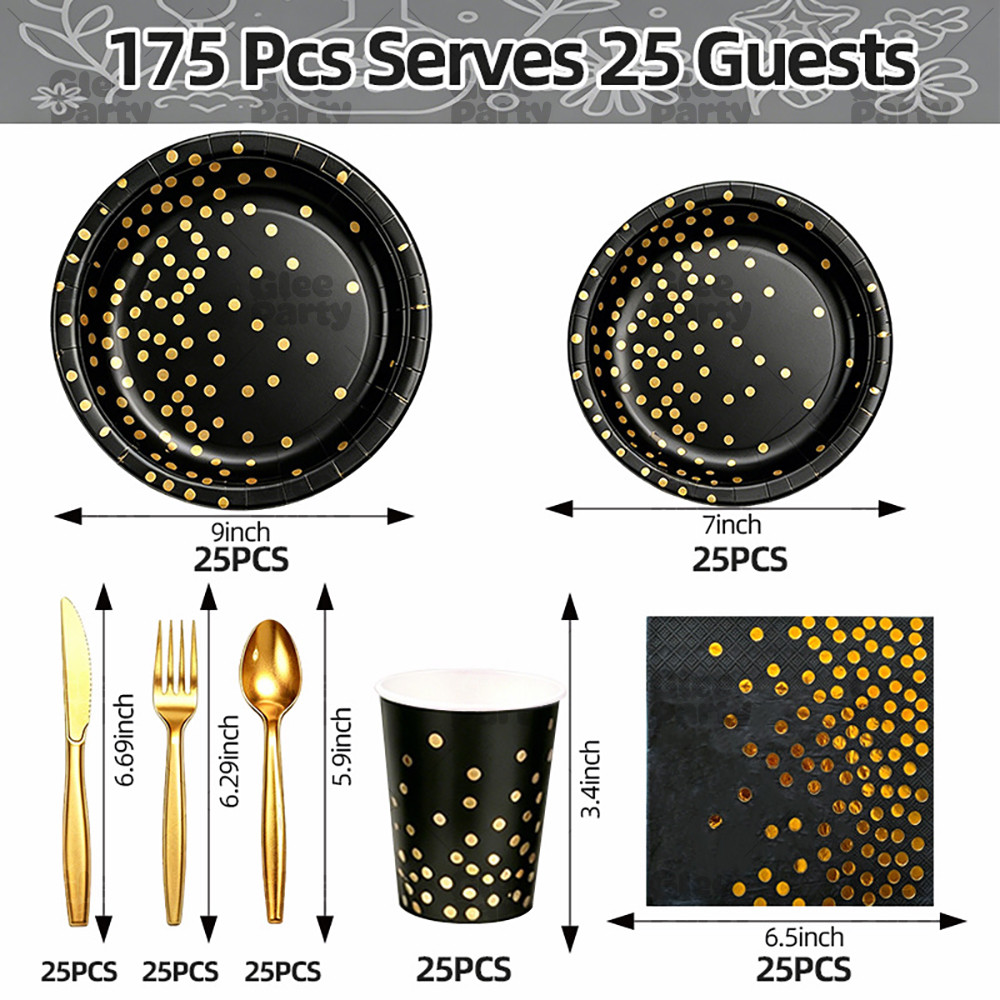
Quick answer: Compare paper plates using two measurements: the outside span and the flat central span. Record the exact measurement points, shape and units. A nominal 7-inch or 9-inch description alone cannot establish the space available for the intended item.
By GleeParty Editorial Team · 3 November 2026 · 20261103-AM
What does a paper plate’s nominal size mean?
A nominal size is the size name used to identify an item. It is a useful starting point, but buyers should ask what physical measurement supports it. The rim may be included in an outside diameter while contributing little to the flat area where a cake box, display insert or other item must rest. Those are separate dimensions with separate purposes.
Start with a product reference from the GleeParty paper plates and cups range. Keep that reference attached to every measurement photo. Do not transfer a dimension from a similar color, a different shape or another item pictured in the same set.
Which dimensions should a buyer request?
| Field | How to describe it | Why it matters |
|---|---|---|
| Outside span | Across identified outer edges, with units | Shelf, pack and table footprint |
| Flat central span | Across the central surface before the rim rises | Space for the intended presentation |
| Rim profile | Photo of the edge and transition to the center | Shows why equal outer sizes can differ |
| Non-round shape | Length, width and marked measurement lines | Avoids an ambiguous single diameter |
The word “usable” needs an agreed meaning. In this guide it means the central space needed for a particular fit or presentation check. It is not a tested load rating, a food-contact approval or a promise that all of the plate’s surface is suitable for every use. State the actual item and conditions you want to evaluate.
How do you measure the flat center consistently?
Place an unbent sample on a level surface. Identify where the central plane starts to slope upward into the rim. Show those two boundaries in a top-view photograph and place a ruler along the same line. Keep the ruler readable and avoid an angled photo that makes distances difficult to interpret. Add a side view when the transition is hard to see.
If the center is curved, textured or not clearly bounded, describe that instead of reporting a false precision. Ask the supplier and reviewer to agree the reference points. For a scalloped edge, specify whether the outside span runs between the furthest tips or another defined pair of points. Record the method so later samples can be compared on the same basis.
Can two plates with the same outside size fit differently?
Yes. A wider rim, a different slope or a shaped outline can change the central space. For an illustrative comparison, call two samples Plate A and Plate B and place the same presentation item on each. Record whether it sits within the central area, touches the slope or overhangs the rim. This is more informative than assuming that matching size names mean matching fit.
A paper template can be useful for an initial outline check, but it cannot reproduce the weight, moisture, temperature or handling of the actual item. Use the relevant physical sample review for the proposed application. Do not convert a simple fit check into a general durability or safety claim.
What should the comparison sheet contain?
| Record | Buyer entry |
|---|---|
| Product identity | Reference, shape, finish and sample version |
| Measurement method | Units, outside endpoints and center endpoints |
| Intended item | Its relevant footprint and presentation needs |
| Observed fit | Central fit, rim contact or overhang |
| Open questions | Material, use conditions and acceptance requirements |
| Decision | Selected, rejected or awaiting more information |
If dimensional variation matters, agree a requirement and checking method with the supplier before ordering. One photographed sample does not establish the variation across an entire shipment. Keep measured observations separate from the tolerance or acceptance terms still under discussion.
What belongs in the customer-facing description?
Use the confirmed size description and make the measurement basis clear. If you publish a central dimension, identify it as such and tie it to the selected product. Avoid phrases such as “fits any dessert” or “extra-large serving area” unless you can define and substantiate them. Keep the product image, label and written specification consistent.
Prepare a focused enquiry
Send GleeParty, the party supply brand associated with Yiwu Jingjie Crafts Co., Ltd., the selected plate reference, outside-space limit, central-fit requirement and intended use. A shared measurement photo makes the next sample or quotation discussion more precise and easier for purchasing colleagues to review Learn about GleeParty and Yiwu Jingjie Crafts Co., Ltd. or send a product enquiry.