








Party Product Sample Dispatch List: A Buyer Preparation Guide
Quick answer: Build a sample dispatch list with one row per reference: product code, version, quantity, review purpose, approval limits and included accessories. Match that list to tags on the packed samples, then record the receiving condition before any evaluation begins.
By GleeParty Editorial Team · 2 November 2026 · 20261102-PM
Why identify samples before they leave?
When several colleagues review a party range, each may be answering a different question. Merchandising checks the appearance, purchasing checks the agreed specification, and packaging staff check the format. Without a shared sample reference, comments can be applied to the wrong version. A dispatch list creates the link between the physical item and the decision it is meant to support.
This is a preparation and receiving workflow. It does not establish that a sample represents every production batch, or replace agreed product checks. A catalog image, digital packaging proof and physical production sample provide different evidence. Name the type of reference in the list so their limitations stay visible.
What belongs in the sample dispatch list?
| Field | What to write |
|---|---|
| Sample reference | A unique, readable identifier used on the tag and in feedback |
| Product and variant | SKU, size, color or finish, plus the relevant specification version |
| Sample type | Functional sample, appearance reference, packaging mockup or other agreed type |
| Review purpose | The exact question the reviewer should answer |
| Quantity and accessories | Number of items and whether any tools are evaluation-only |
| Approval limits | What the sample cannot yet confirm |
| Record owner | The role responsible for collecting the review result |
Use neutral identifiers such as SAMPLE-A and SAMPLE-B only when their meaning is documented. Avoid calling a reference “final” before approval. If two versions are shipped together, mark their differences explicitly and retain both version names in the list rather than overwriting the earlier record.
How should different sample purposes be separated?
| Purpose | Useful review question | Do not assume |
|---|---|---|
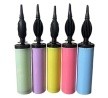
| Pump or accessory function | Does this exact component fit the proposed use? | All nozzles or accessories in the catalog are equivalent |
| Color or finish reference | Is this the agreed reference under the chosen review conditions? | A screen image is a complete physical color standard |
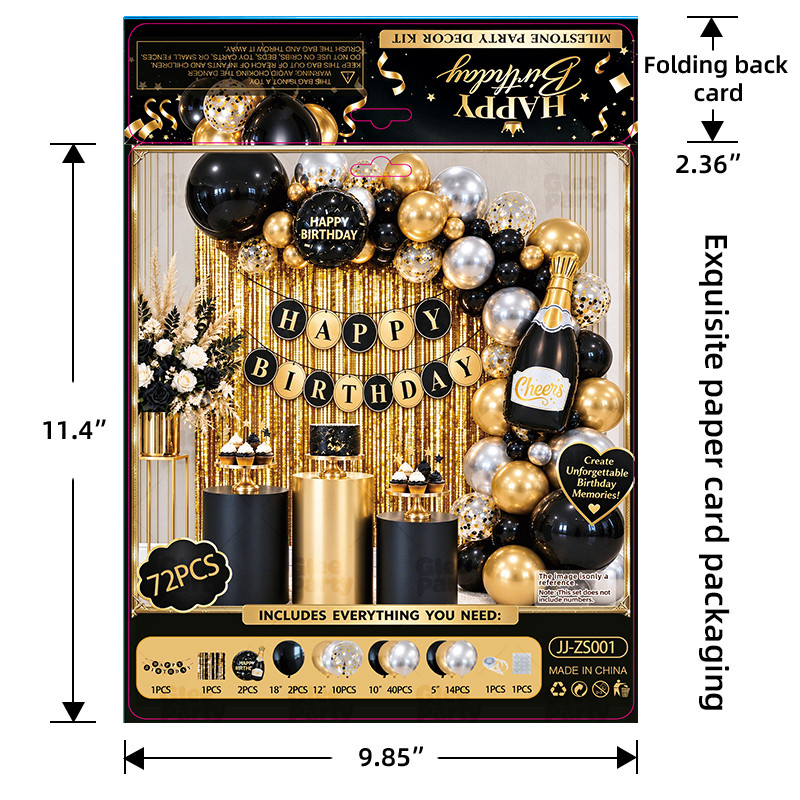
| Packaging mockup | Are layout, dimensions and fold positions understood? | The mockup proves final material or production print quality |
| Retail kit check | Are the listed components present in this sample? | Every future shipment has already been accepted |
Where should a sample label go?
Place a tag or removable identifier on a protective sleeve or outer bag when possible. Keep it away from the feature being inspected. A label covering a seam, warning panel, printed finish or nozzle can make the sample less useful. Retain original product information and take a reference photo that shows both the sample and its identifier without exposing private delivery details.
For a kit with several parts, link the outer reference to a component list. State whether the pack contains the intended retail contents or only selected parts for review. If a pump or other tool is included solely to assist testing, mark that role clearly so it is not later added to a customer-facing contents claim.
What should happen before and after dispatch?
Before dispatch, agree the sample scope, recipient details, charges, delivery arrangements and any estimated timing. Record the parcel reference once it exists. These are enquiry-specific confirmations, not universal service promises. Keep commercial and delivery details in the appropriate private order records, while the technical list concentrates on product identification.
On arrival, compare the physical items with the dispatch list before use. Record any visible damage or missing identifier and retain relevant packing information. If the correct reference cannot be established, pause that item’s approval and request clarification. Testing an unidentified item can create feedback that cannot be reliably linked to the intended product.
How do you turn the review into an approval record?
Assign one outcome to each identified sample: accepted for the stated purpose, changes requested or still awaiting information. Name any remaining checks. Link the result to the same reference and version used at dispatch. If a revised sample follows, give it a new version and describe what changed; do not silently reuse the old approval.
What should you send to GleeParty?
Start with the selected party balloon set or accessory reference, the decision you need to make and the intended packaging option. GleeParty and Yiwu Jingjie Crafts Co., Ltd. can then discuss the sample scope and confirmation steps against a clear brief. Availability and dispatch arrangements require confirmation for the actual enquiry Learn about GleeParty and Yiwu Jingjie Crafts Co., Ltd. or send a specification enquiry.